A recent spell of brutal cold hit Kansas City hard, with temperatures plunging to around 10°F. If you stepped outside and looked at your lawn, you might have done a double-take. What looked like a diseased, blotchy pattern across the turf is actually a temporary, though visually striking, response to an extreme hard freeze. Here’s what happened, why it looks the way it does, and what you can expect in the coming weeks.
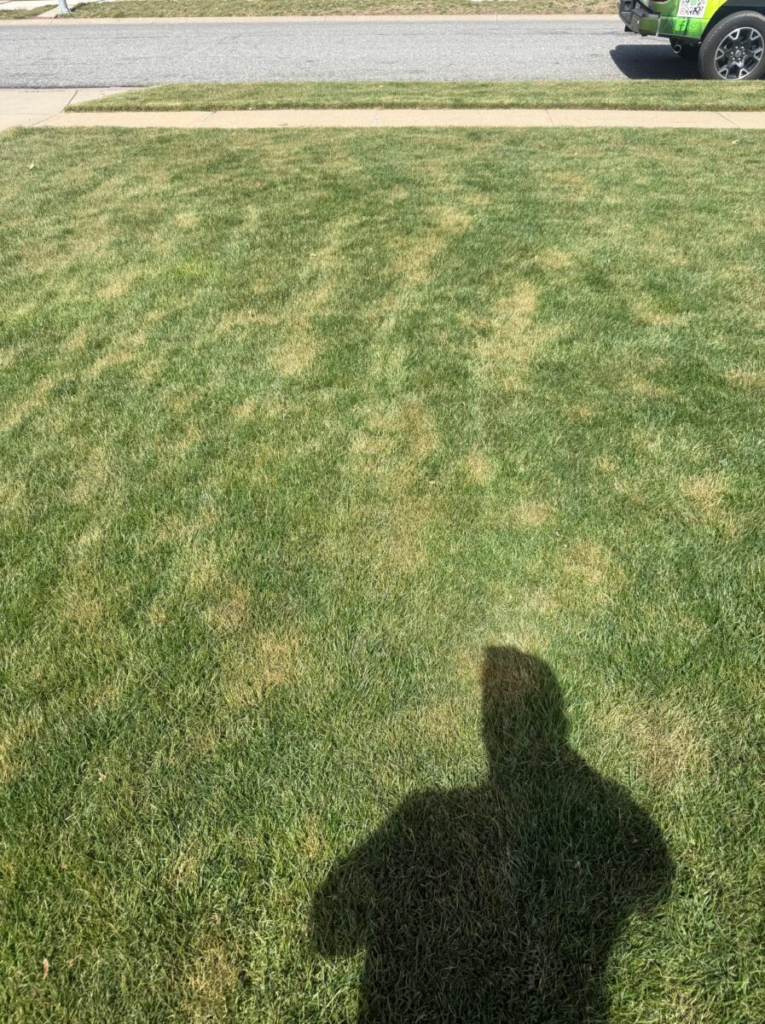
What happened to the lawn
- Case of the 10-degree shock: Grass blades are living tissue with delicate cells that can’t tolerate prolonged exposure to temperatures well below freezing. When temperatures dive into the single digits, cell walls and membranes can rupture, leading to tissue death in the frozen portions.
- Top 2 inches taken out: In our cool-season grasses (Kentucky bluegrass, fescues, etc.), the most vulnerable tissue tends to be the uppermost portion of the blade—the top 1–2 inches that are more metabolically active as they try to grow. A hard freeze can “zaps” these cells, producing visible browning or tan/grayish patches.
- Water-filled cells vs. dry cells: Areas of the lawn that had more water-filled cells—often the parts with better soil moisture or recent standing water—tend to suffer more visible damage. When those cells freeze and rupture, they appear as lighter or discolored patches compared to drier, more desiccated tissue that may survive longer. This creates a ripply, blotchy pattern that can look like disease even though it’s cold injury.
Why the lawn looks patchy, almost diseased
- Cellular damage rather than fungal trouble: The pattern is physiologic damage, not a pathogen. Disease typically shows consistent irregular margins, fungal growth, or other telltale signs; cold injury produces irregular, splotchy browning that follows microhabitats of moisture, drainage, and sun exposure.
- Temporary but dramatic appearance: The severity varies by microclimate on your lawn. Areas with better drainage might dry out and look a bit different than flooded pockets. As temperatures moderate and new growth emerges, the original needle-like blades die back and are replaced by new green growth from healthy crowns.
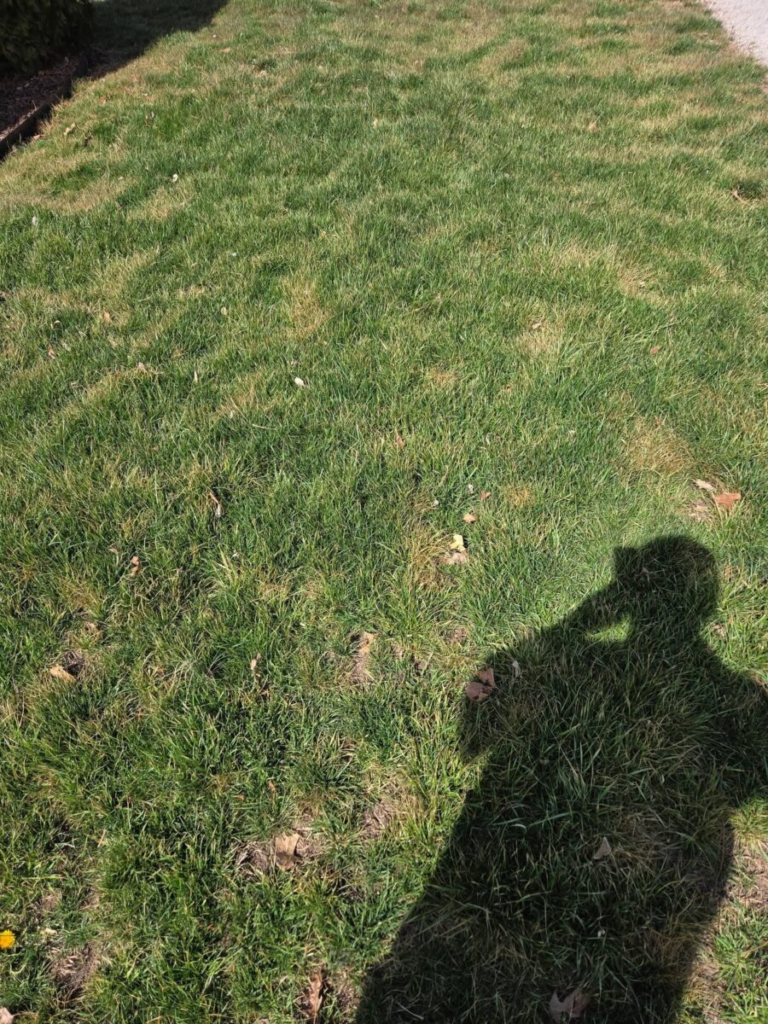
What to expect in the weeks ahead
- Recovery timeline: Cool-season grasses are resilient. In most cases, you’ll see new green growth start to appear within a couple of mowings as the lawn resumes active growth from the crowns. Expect the splotches to fade over 2–3 mowing sessions, assuming we don’t get another cold snap.
- Maintenance actions to support recovery:
- Don’t over-fertilize right away: A heavy dose of nitrogen right after freeze can encourage weak, top-heavy growth that’s more susceptible to future damage. Slow-release fertilizer would be fine, since it releases nutrients based on soil temperature, but avoid cheap, fast-release fertilizer in the spring.
- Avoid heavy foot traffic: While the lawn is recovering, tread lightly on the affected areas to prevent further stress.
- Mowing strategy: When growth resumes, mow at a height that suits the grass type (typically about 3.5″ inches for many cool-season grasses). Avoid removing more than one-third of the leaf blade at a time to prevent shocking the plant.
- Water if needed: Now that it has warmed up, resume a normal watering schedule, especially when rainfall is sparse. Deep, infrequent watering encourages deeper roots and resilience.
- Patching with sod (if needed): If some areas fail to recover after a couple of mowing cycles, you can consider overseeding with a cool-season blend in early fall, depending on your lawn’s needs and local timing. The best bet is if some areas thin out more than you want them to is to sod those areas.
Why some lawns recover faster than others
- Microclimates on your property: South-facing slopes, sunny patches, and areas with better drainage may recover more quickly than shaded, compacted, or chronically damp spots.
- Grass species and health prior to the freeze: Some cultivars store more carbohydrates in their crowns and roots, enabling quicker regrowth after a cold snap. A lawn that was robust before the freeze will typically bounce back faster.
- Soil moisture prior to the freeze: Overly wet soils can lead to more ice formation in the root zone and greater cellular disruption. Conversely, very dry soils may protect some tissue but stress roots.
What this means for Kansas City lawns in general
- The splotchy appearance is likely to fade as new growth emerges.
- Expect a few mowing cycles to restore a uniform green texture.
- If you have persistent patches after a few weeks, it’s worth evaluating lawn health (soil conditions, drainage, shade, and mowing height) and considering targeted overseeding or renovation.
Phrases you might hear from lawn care pros
- “Cold injury” or “frost injury” versus fungal disease
- “Regrowth from the crown” as the primary recovery mechanism
- “Gradual recovery over 2–3 mows” as the typical timeline
Practical next steps you can take
- Check your local turf type and care guidelines for Kansas City to tailor mowing height and fertilization.
- Observe for any signs of actual disease (orange/brown ring patterns, slimy patches, fungal odors). If you notice suspicious symptoms, you may want to contact your lawn care company for further advice.
- Plan proactive steps for spring: Selective patching with sod if the stand doesn’t recover. Finally, fall seeding may be needed if the lawn thins out enough to warrant it.


